Māori Grammar
| Previous | Back | Next |
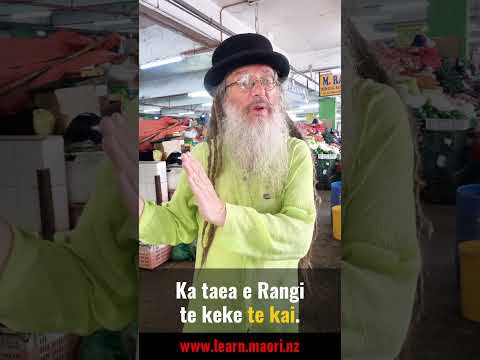
A person can say that they are able to do something using ka taea. This has a passive structure and so uses e to indication the person able to do the action. Literally, this means "able to be done by me".
The structure is either:
Ka taea e au te [OBJECT] te [VERB].
or:
Ka taea e au te [VERB] i te [OBJECT].
There are therefore two possible ways of saying the same thing:
Ka taea e au te kitā te whakatangi.
Ka taea e au te whakatangi i te kitā
I am able to play the guitar.
Literally: the guitar is able to be played by me.
Note that this structure is used to indicate that a person is physically able to do something and not that they actually will do it. For example, asking: "Are you able to walk to the shop?" is different from "Can you please walk to the shop?" A person might answer that, yes, they are able to do this, but they are unwilling and so won't actually do it.
It is also different from the word āhei which means that a person is allowed to do something. For example, a person might be able to drive a car (ka taea) but might not be allowed to (if they have lost their license). Similarly, a person might be allowed to drive a car but might not be able to (if they have broken their leg).
Ka taea e ia te motokā te taraiwa.
He is able to drive the car.
E āhei ana ia ki te taraiwa i te motokā.
He is allowed to drive the car.
Ka taea e ia te motokā te taraiwa, engari kāore ia e āhei ana ki te taraiwa i tēnei wā.
He is able to drive the car but is not allowed to drive it now.
E āhei ana ia ki te taraiwa i te motokā, engari kāore e taea e ia te taraiwa i tēnei wā.
He is allowed to drive the car but he is not able to drive it now.
Kāore i taea e au te kanikani, engari ināianei, āe, ka taea te kanikani.
I couldn't dance, but now, yeah, I can dance.Ka taea e koe āku pukapuka te whakahoki ki te whare pukapuka?
Are you able to return my books to the library?Ka taea e koe te tuitui kakahu?
Can you sew clothing?Ka taea mātou te hīkoi ki te tāone.
We (excluding you) are able to walk to town.Kāore e taea e au te rakuraku te whakatangi, heoi, ka taea e au i te piana te whakatangi.
I can't play the guitar, however, I can play the piano.Ka taea e koe te keke te tunu0.
?Can you bake the cake?Āe, ka taea e tōku kuia te waiata.
Yes, my grandmother can sing.Ka taea e koe te haere ki te hui?
Are you able to come to the meeting?Ka taea e koe ngā pukapuka te whakahoki ki te whare pukapuka.
You are able to return the books to the library.Āe, ka taea e au tērā maunga te piki.
Yes, I can climb that mountain.Ka taea e koe te kauhoe?
Can you swim?Ka taea e koe ngā tamariki te tiki?
Can you pick up the kids?Ka taea e koe tērā maunga te piki?
Can you climb that mountain over there?Me whakapā atu ki a Pāora ina ka taea.
Contact M1 if and when you can.Kāo, kāore e taea e au te whakautu i tō pātai.
No, I can't answer your question.Ka taea koe te kai i ngā āporo?
Are you able to eat the apples?Āe, ka taea e te kiwi te rere.
Yes, the kiwi can fly.Ka taea rāua te mahi tahi.
They (two) are able to work together.Ka taea te kaiako te whakarongo ki ngā tauira.
The teacher is able to listen to the students.Āe, ka taea e au te keke te tunu.
Yes, I am able to bake the cake.Kāre e taea a au te haere ki te mahi āpōpō.
I can't go to work tomorrow.Ka taea e Hina te whakatangi te piana.
Hina can play the piano.Ka taea e Ari te pātai te whakautu.
Ari is able to answer the question.Ka taea e koe au te āwhina mai?
Are you able to help me?Ka taea e tō kuia te waiata?
Can your grandmother sing?Ka taea koe te tākaro i te kita?
Are you able to play the guitar?Ka taea e koe te kai te tunu?
Are you able to cook dinner?Ka taea ekoe tōku waka te whakatika?
Are you able to fix my car?Ka taea mātou te hīkoi ki te tāone?
Are we (excluding you) able to walk to the town?Āe, ka taea e au tō waka tde whakatika.
Yes, I am able to fix your car.Ka taea e koe te tunu keke?
Can you bake cakes?Ka taea te kuri te oma i te papa tākaro.
The dog is able to run in the playground.Ka taea e koe te whakaheke ngaru?
Can you surf?Āe, ka taea e ia te motokā te taraiwa.
Yes, he can drive the car.Ka taea ngā tāngata te haere mā runga pahi.
The people are able to travel by bus.Ka taea e Hūhana mā ngā hoiho te tiki?
Can Hūhana and co fetch the horses?Waea mai mēnā ka taea.
Give me a call if you can.Ka taea e ia te motokā te taraiwa?
Can he drive the car?Ka taea e ngā tamariki ngā rīhi te horoi?
Are the children capable of washing the dishes?Kāore e taea e au te haramai ki te mārena.
It is not possible for me to come to the wedding.Ka taea ahau te tuhituhi i tēnei reta.
I am able to write this letter.I taea e Aroha te kai te tunu.
Aroha was able to cook food.Ka taea e koe te whakautu i taku pātai?
Can you answer my question?Ka taea rāua te haere ki te kura?
Are they (two) able to go to school?I taea e Rāwiri te hāngī te tunu.
Rāwiri was able to cook the hāngī.Ka taea e koe te horoi i te motokā?
Are you able to wash the car?Ka taea e au tēnā mahi.
I can do that job.Ka taea koe te mātakitaki i te kiriata.
You are able to watch the movie.E mōhio ana ahau, e taea e ia te whakamārama i te whakatauki nei.
I know that she will be able to explain this saying.Ka taea e te kiwi te rere?
Can the kiwi fly?Ka taea e koe te haramai ki te mārena?
Can you come to the wedding?Ka taea e koe te rakuraku te whakatangi?
Can you play guitar?Ka taea e koe te whakatangitangi piana?
Can you play piano?Ka taea e koe te kanikani?
Can you dance?Āe, ka taea e au te kōrero Māori.
Yes, I can speak Māori.Ka taeae te rakuraku te whakatangi e Tama.
Tama can play the guitar.Ka taea e koe te hari i a au ki te tāone?
Are you able to take me to town?Ka taea e Hamiora ōna hū te here?
Can Hamiora tie his shoes?Ka taea ahau te tākaro i te kita.
I am able to play the guitar.Ka taea ia te whakaako i ngā tamariki?
Is he/she able to teach the children?Ka taea a Hemi te whakahaere i te hui.
Hemi is able to run the meeting.Ka taea e Tawa te whakatangi rakuruku.
Tawa is able to play guitar.Me taea e koe!
You should be able to!Ka taea ngā tamariki te haere ki te kura.
The children are able to go to school.