Māori Grammar
| Previous | Back | Next |
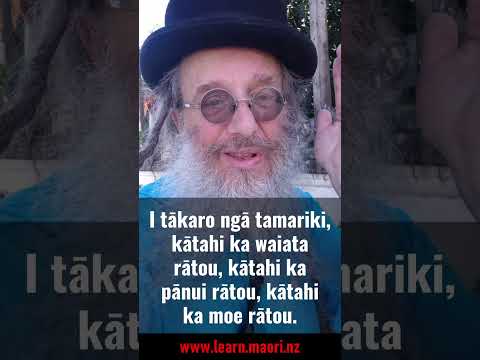
Kātahi ka is used to say what happened or will happen next. It is often translated with “then”, “and then”, “after that”.
I haere ahau ki te hokomaha, kātahi ka hoko ahau i te kai.
I went to the supermarket, and then I bought the food.
Ka haere ahau ki te hokomaha, kātahi ka hoko ahau i te kai.
I will go to the supermarket, and then I will buy the food.
Kātahi ka specifically states order of events that a sentence with just ka does not:
Ka haere ahau ki te whare. Ka haere ahau ki te hokomaha.
I will go to the house. I will go the supermarket.
This does not say the order in which these things will happen - I might go to the supermarket and then to the house. Kātahi ka makes the order explicit.
Ka oma tātou ki korā, kātahi ka whakatā.
Went ran over there and then rested.Ka kai, ka tiko, kātahi ka rere.
He ate, shat and left.Kātahi ka mahara te koroheke rā ki te nuinga o tōna pai.
Then then old man began to thing about his abundant good fortune.I haere mātou ki te toa, kātahi ka hoki mātou ki te kāinga.
We went to the shop and then we returned home.Kātahi ka tirotiro atu mātou i ngā toa mō te ahiahi.
We then had a look around the shops for the afternoon.Kātahi ka haere ki te kite i tētehi pikitia.
And then we went and saw a movie.Horoia ngā rīhi, kātahi ka waiho ai māna e whakamaroke.
Wash the dishes then leave them for her to dry.Kātahi ka whiua e ia tāna mōkai ki te moana.
Then she threw her baby into the sea.I haere mātou ki te toa, kātahi ka mātou hoki ki te kāinga.
We went to the shop and then we returned home.I haere mātou ki te toa, kātahi ka hoki ki te kāinga.
We went to the shop and then we returned home.Kātahi ka tuku i a au kia tū ana, i a rātou e whakatā ana.
Then they left me standing while they had a rest.Ka tata tatū te take, kātahi ka puta ake he māharahara anō. I pēnei tonu te āhua ā pō noa.
The matter would just about be resolved, then someone would raise another concern. It carried on like this into the night.Kātahi ka whakaohoia e te tangata nei tōna mōkai ki roto ki tētahi puna.
Then this man placed his pet in a spring of water.Homai ēnā i te tuatahi, kātahi ka hoatu ai ēnei ki a koe.
Give me those first, then I'll give you these.I tīkina te māripi e ia, kātahi ka tapahi ia i te pāua.
He fetched the knife, then he chopped the pāua.Kātahi ka whakakāngia a Taika te raiti.
Then Taika switched on the light.